TrustXP — home

The system architect for EV and new-energy infrastructure.

TrustXP develops turnkey charging systems with energy storage integrated into the architecture rather than bolted alongside it — from power electronics and thermal design through grid integration and certification.

EV charging system architectureGrid connectionPower conversionEnergy storageConnectorCharge controller
Power path
Grid connection through conversion to the vehicle connector.
Control and telemetry
Charge control and the reporting link to cloud services.

Grid connection feeds power conversion, which feeds the charge controller and the connector. Energy storage and solar sit on a parallel path into the same conversion stage, and a telemetry link reports to the cloud layer.

  1. Layer 1 of 2: Power path. Grid connection through conversion to the vehicle connector.
    • Grid connection — Concern grid integration
    • Power conversion — Concern high-voltage power electronics
    • Energy storage — Concern thermal design and derating
    • Solar input
    • Connector — Standard safety standards
  2. Layer 2 of 2: Control and telemetry. Charge control and the reporting link to cloud services.
    • Charge controller — Interface OCPP
    • Telemetry

Connections:

  • Grid connection supplies grid power to Power conversion.
  • Power conversion delivers DC output to Connector.
  • Energy storage discharges into Power conversion.
  • Solar input charges Energy storage.
  • Power conversion passes data up to Charge controller.
  • Charge controller passes data up to Telemetry.
  • Charge controller returns firmware and setpoints to Connector.

CAPABILITIES

  • Charging systems
  • Energy storage
  • Power electronics
  • Grid integration
  • Hydrogen and renewable platforms

KEY TECHNOLOGY

What the engineering turns on.

High-voltage power electronics
Conversion stages specified for the duty cycle they will actually see, not for a nameplate rating.
Thermal design and derating
The thermal path is designed with the electronics. Derating decided late is a redesign, not a tuning step.
Integrated energy storage
Storage sharing the conversion stage with the charger, so the two are one system rather than two products in a cabinet.
Grid integration
The connection to the grid treated as an engineering interface with its own constraints and approvals.

SYSTEM ARCHITECTURE

The architecture, end to end.

Hover or tab to a node carrying a specification. Nodes without one are inert — the diagram does not promise detail the record cannot support.

EV charging system architectureGrid connectionPower conversionEnergy storageConnectorCharge controller
Power path
Grid connection through conversion to the vehicle connector.
Control and telemetry
Charge control and the reporting link to cloud services.

Grid connection feeds power conversion, which feeds the charge controller and the connector. Energy storage and solar sit on a parallel path into the same conversion stage, and a telemetry link reports to the cloud layer.

  1. Layer 1 of 2: Power path. Grid connection through conversion to the vehicle connector.
    • Grid connection — Concern grid integration
    • Power conversion — Concern high-voltage power electronics
    • Energy storage — Concern thermal design and derating
    • Solar input
    • Connector — Standard safety standards
  2. Layer 2 of 2: Control and telemetry. Charge control and the reporting link to cloud services.
    • Charge controller — Interface OCPP
    • Telemetry

Connections:

  • Grid connection supplies grid power to Power conversion.
  • Power conversion delivers DC output to Connector.
  • Energy storage discharges into Power conversion.
  • Solar input charges Energy storage.
  • Power conversion passes data up to Charge controller.
  • Charge controller passes data up to Telemetry.
  • Charge controller returns firmware and setpoints to Connector.
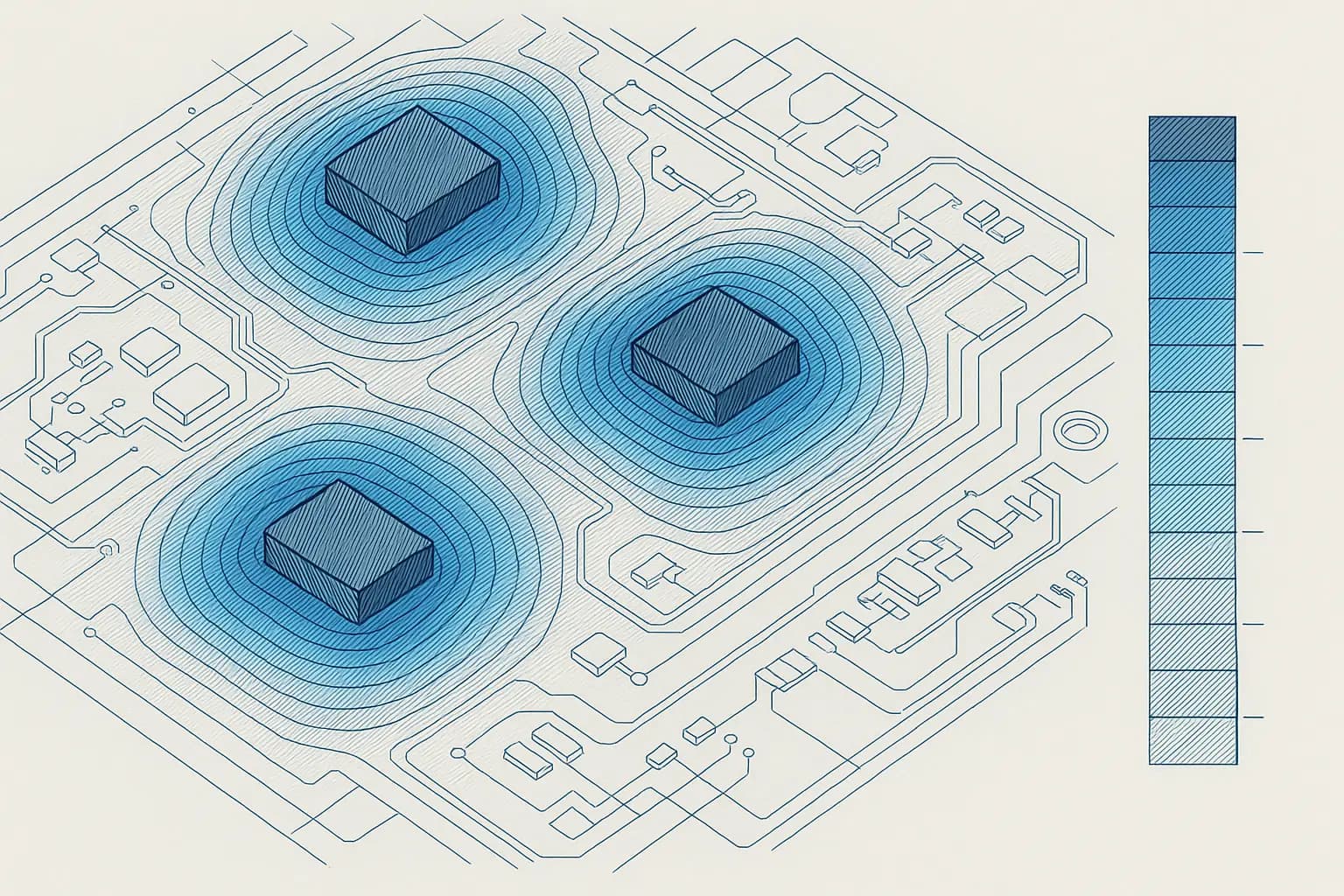
PLATE 01THERMAL STUDY — POWER-ELECTRONICS BOARDILLUSTRATIVE

STANDARDS & INTERFACES

OCPP
The charge-point interface to back-end systems.
Safety standards
The applicable safety regime for the market and the product class, decided at concept rather than at certification.
EMC
Electromagnetic compatibility, behind the FCC and CE marks.

APPLICABLE MARKS

  • CCCChina Compulsory Certification — mandatory for the Chinese market
  • CEEuropean conformity — EU health, safety and environmental protection
  • ULUnderwriters Laboratories — North American product safety
  • FCCUS Federal Communications Commission — electromagnetic compatibility
  • UKCAUK Conformity Assessed — Great Britain market access
  • Energy StarUS EPA energy-efficiency programme

PROOF

Systems in this domain.

Charging system

High-power EV charging with integrated battery storage

One-stop development covering new-energy-vehicle charging, solar energy storage and charging stations, with storage integrated into the same architecture as the charger.

ODM and OEM service for international clients, with the applicable certification set carried through the programme rather than sought after the design froze.

Bring the grid connection, not the product spec.

What the connection can supply, what the site has to deliver at peak, and which market the product ships into. Those three decide the architecture; everything else follows from them.

The other domain: IoT, Embedded & Intelligent Automation

REV 2026.1